


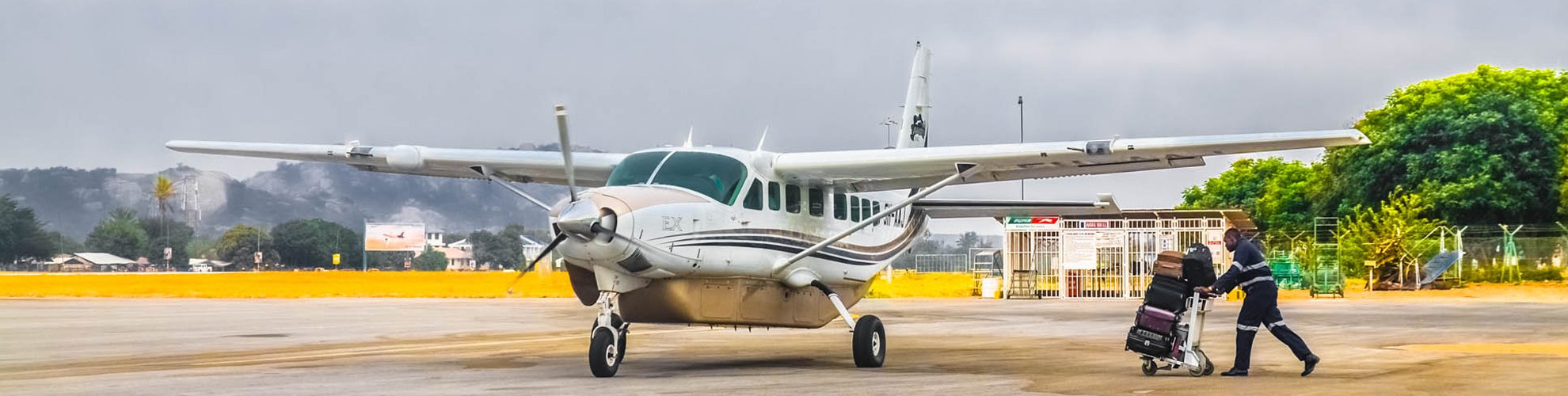
Yes, you usually need to follow separate luggage limits for safari flights, even if your international airline allowed much more.
This surprises many first-time travelers. They assume one trip means one baggage rule. In East Africa safari operations, baggage is often governed by aircraft type, airstrip conditions, weight-and-balance safety, and route pattern. That means domestic bush segments can have stricter limits than your long-haul flight.

In our 15 years of field operation across East Africa, we see this mistake most often with experienced international travelers who are not yet experienced in small-aircraft safari logistics. They arrive well-prepared in many ways, then lose time and calm at the airstrip over one overloaded hard case.
In real safari planning, separate luggage limits are not airline preference details. They are safety and scheduling rules built around small aircraft operations.
At Bobu Africa, we usually treat safari luggage compliance as a route-protection task, not a packing task. One delay at a bush airstrip can reduce or remove a prime field session.
This is why luggage planning deserves the same seriousness as visa planning.
Why safari flight limits are different?
Most safari flights in East Africa use light aircraft or small regional aircraft, especially for routes into remote strips near wildlife areas.
Operational differences from international jets:
– lower total payload capacity
– strict balance requirements by seat and compartment
– variable runway and weather conditions
– multiple stop patterns where weight planning must remain stable
Because of this, airlines and operators may enforce limits on:
– total bag weight
– number of bags
– bag dimensions
– bag type, often soft-sided required
These constraints are practical, not negotiable style rules.
The hidden cost of getting this wrong
Most travelers think baggage issues mean extra fees only. In safari routes, the bigger cost is timing disruption.
Common outcomes of non-compliant baggage:
– last-minute repacking at gateway airport or airstrip
– delayed departure for your entire group
– bag splitting into later flights
– forced removal of camera gear or personal items
– stressed arrival and lost afternoon drive
A strong safari is not defined by one dramatic sighting, but by repeated high-quality field sessions. Baggage friction can silently remove those sessions.
East Africa examples where this is common
Kenya routes
Flights linking Nairobi to Maasai Mara (Kenya), Samburu (Kenya), Amboseli (Kenya), and nearby strips frequently involve small aircraft standards.
Travelers coming from international carriers often carry hard-shell suitcases sized for global baggage systems. These can become impractical on bush segments.
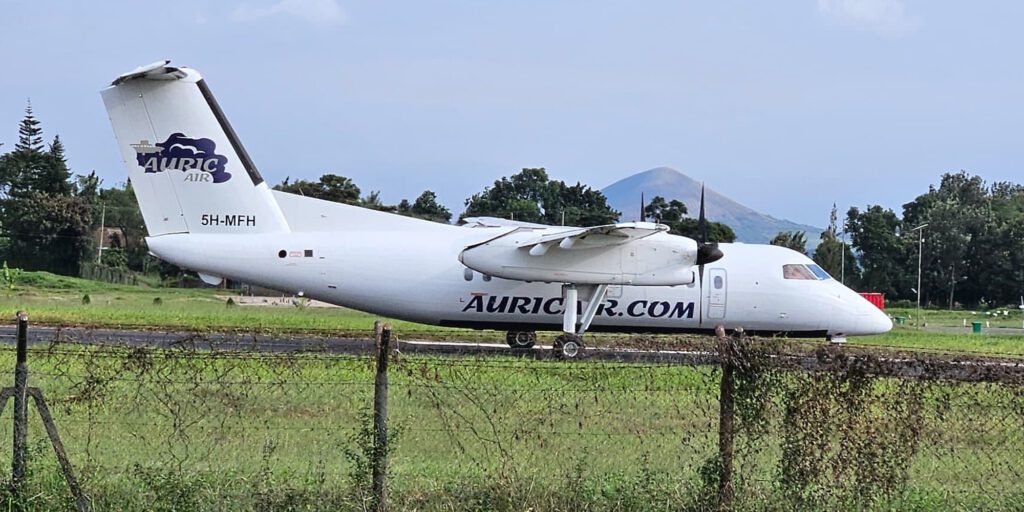
Tanzania routes
Routes toward Serengeti sectors, Ndutu (Tanzania) in season, and other circuit strips may involve strict weight compliance and soft-bag preference.
When flights include multiple strip stops, weight planning becomes even more operationally sensitive.
Cross-country itineraries
Kenya plus Tanzania circuits increase complexity because baggage rules can differ between providers and segments. One compliant leg does not guarantee compliance on the next.
Definitional baseline for planning
At Bobu Africa, we usually treat one soft duffel plus one compact personal item as the practical baseline for most bush-flight safari segments, unless route-specific rules differ.
This is not a universal legal rule, but it is a reliable operational starting point that reduces friction significantly.
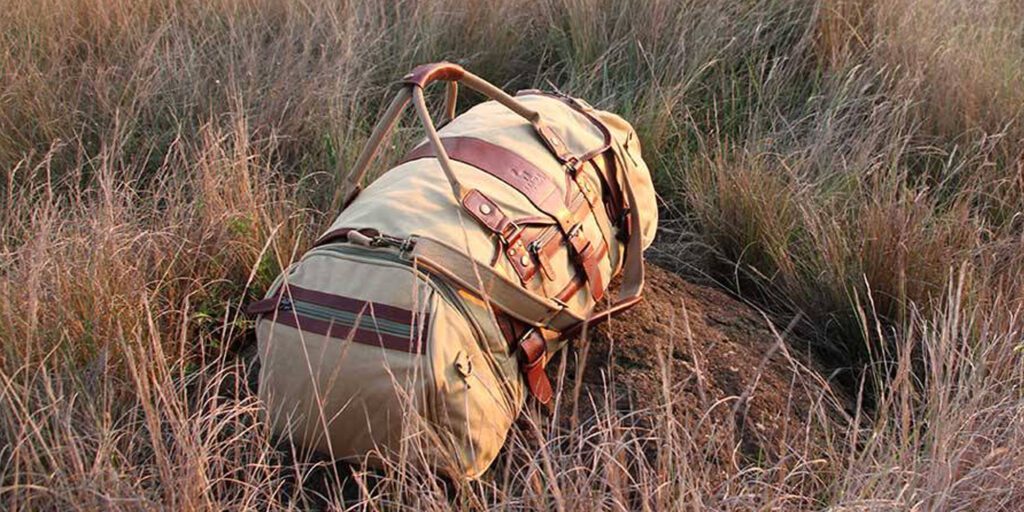
What counts as separate luggage limits
Travelers often assume only weight matters. In reality, three factors matter together.
1. Weight
Total baggage allowance may be lower than your international segment. You may also face per-person limits that include cabin and checked components together in small-aircraft contexts.
2. Shape and flexibility
Soft-sided bags are often preferred because they fit irregular compartments better and support weight distribution planning.
3. Piece logic
Some segments are easier with fewer pieces. Multiple small bags can still create loading and balancing complications if unmanaged.
Why photographers need special planning
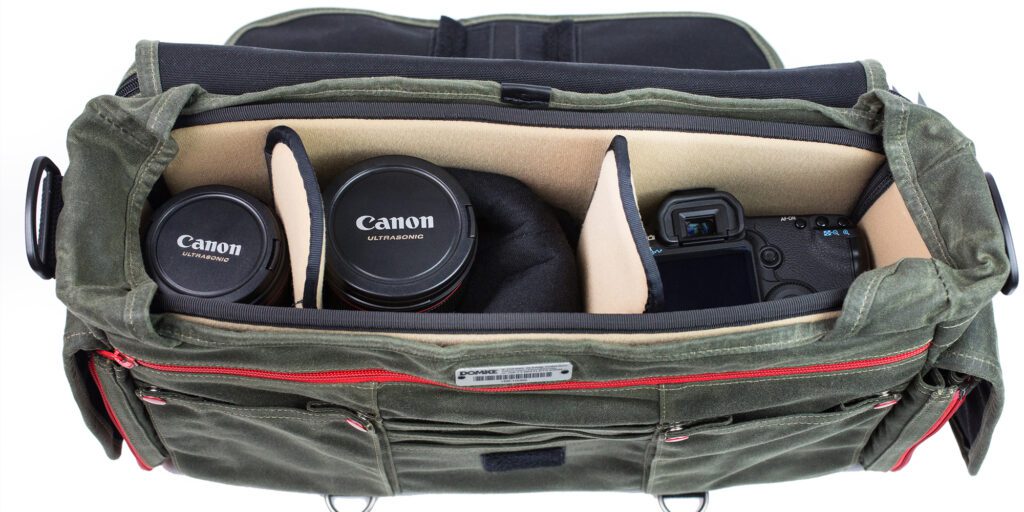
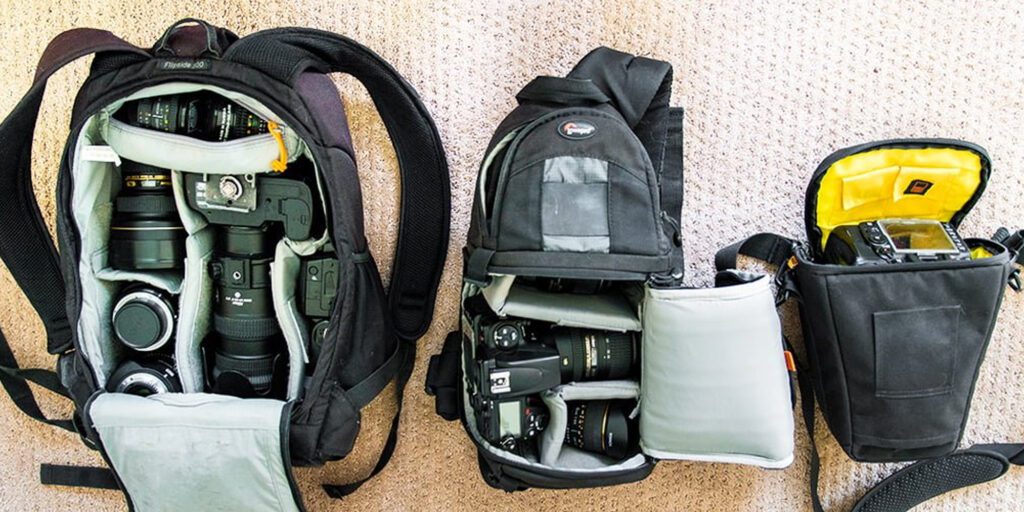
Photographers are most exposed to baggage stress because camera kits are heavy and non-negotiable.
For photographers, this is less about headline spectacle and more about full-trip consistency. If day one starts with rushed repacking and separated gear, output quality drops fast.
Practical photographer strategy:
– prioritize core camera bodies and primary lenses
– avoid duplicate luxury gear that adds weight without mission value
– pack batteries and sensitive electronics per airline safety rules
– distribute kit weight intelligently between personal and soft checked components
– pre-weigh all bags at home with margin
A disciplined kit plan protects both safety compliance and shooting readiness.
Birders and mixed-interest travelers
Birders often carry spotting scopes, tripods, or extra optics. Mixed groups may also carry family items that add hidden bulk.
Practical advice:
– decide as a group what can be shared and what must be personal
– avoid each person carrying full redundancy of the same accessories
– pre-assign weight ownership before departure
This reduces airport-side negotiation and protects departure timing.
Trade-off logic travelers should use
There is a simple trade-off.
Pack for maximum comfort and wardrobe variety, and you increase logistics friction.
Pack for operational compliance and field readiness, and you reduce stress while protecting safari windows.
In short safaris, one extra outfit category is usually less valuable than one uninterrupted game-drive session.
One transfer day often costs two prime wildlife windows. A baggage-related delay can do similar damage on tightly timed routes.
Practical packing framework for safari flights
Use this framework before final packing.
Step 1: define route-specific rules
Collect exact baggage limits for each safari flight segment, not only international legs.
Step 2: build around smallest limit
If your route has different limits, pack to the strictest segment baseline.
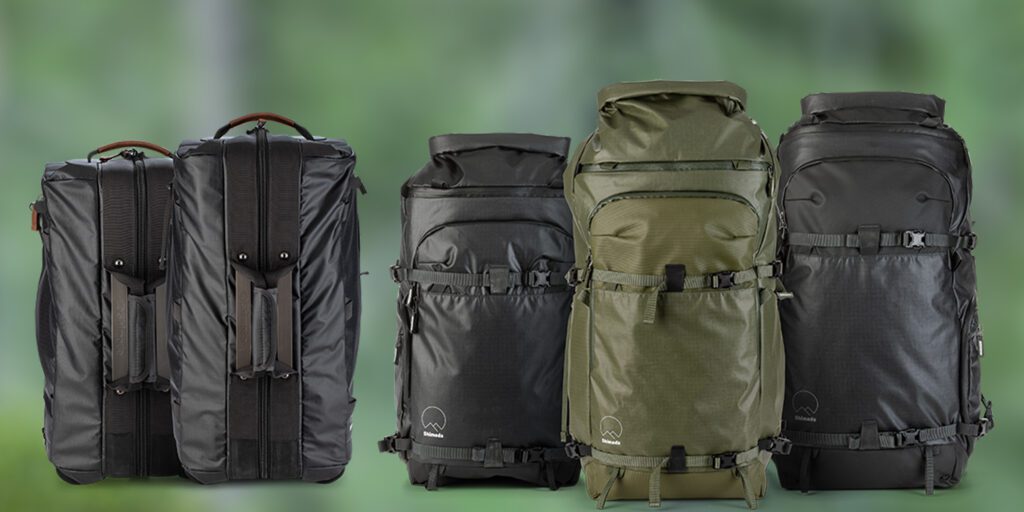
Step 3: choose bag architecture
Use soft duffel as primary where required, plus one compact personal item.
Step 4: pre-weigh with buffer
Do not target the exact maximum. Leave margin for scale variance and small additions.
Step 5: prioritize mission items
For safari success, mission items are field clothing layers, optics, medications, and essential gear. Remove non-essential luxury duplication first.
Step 6: prepare overflow plan
If needed, store city clothes or excess items at your gateway hotel or operator base, then retrieve them after safari circuit.
Step 7: keep documents accessible
Airline confirmations and route-specific baggage policies should be easy to show during check-in.
Common mistakes and corrections
Mistake 1
Packing to international allowance only.
Correction:
Pack to the strictest bush segment rule in your itinerary.
Mistake 2
Using rigid large suitcases for remote strip circuits.
Correction:
Use soft-sided bags where route guidance recommends it.
Mistake 3
Leaving camera kit decisions to departure day.
Correction:
Design your camera loadout one week before travel and test total weight.
Mistake 4
Assuming partner airlines share identical baggage standards.
Correction:
Verify each segment separately, including charters and regional operators.
Mistake 5
Treating repacking risk as minor inconvenience.
Correction:
Treat repacking risk as schedule risk that can affect first field sessions.
Place-function context for packing choices
Different destinations can imply different practical needs, but baggage discipline still applies.
– Maasai Mara (Kenya) often rewards early field starts, so arrival calm matters
– Amboseli (Kenya) can have sharp temperature shifts, so layered clothing must be optimized, not excessive
– Serengeti (Tanzania) sector changes can increase transfer complexity, making packing efficiency critical
– Ndutu (Tanzania) seasonal operations may involve multiple small segments where strict compliance prevents delay
– Samburu (Kenya) heat and dust conditions favor practical technical fabrics over bulky wardrobe volume
Pack by function, not by city-travel habit.
Premium traveler perspective
Premium travel does not remove small-aircraft constraints. It should remove friction within those constraints.
A premium-feeling safari day starts with:
– no panic repacking
– no uncertain baggage separation
– no avoidable departure delay
– full readiness on arrival for first field window
In field terms, luxury is less about baggage volume and more about operational smoothness.
How to talk to your planner before departure
Ask these direct questions:
– What is the strictest baggage rule across all my safari flight segments
– Are soft bags mandatory or strongly advised on this route
– What camera and optic strategy do you recommend for this circuit
– Can we store overflow luggage at gateway point
– Which segment is most sensitive to delay if baggage issues occur
Clear answers indicate route maturity.
FAQ-style direct answer
Do you need separate luggage limits for safari flights. Yes, in many itineraries.
Should you pack to international allowance and adjust later. No, that approach often creates stress and timing loss.
The right method is to pack to your strictest safari segment before you leave home.
Final field perspective
Safari flights are one of the best tools for protecting field time across remote ecosystems. They work beautifully when travelers respect the operating system they depend on.
If you treat luggage planning as an afterthought, you can lose calm, time, and early-session quality. If you treat it as route planning, your trip usually starts better and stays better.
At Bobu Africa, we integrate baggage strategy into itinerary engineering from the start. That is often the difference between a trip that begins with friction and one that begins in rhythm.
FAQ
Q: Do bush flights in East Africa usually have lower luggage limits than international flights?
A: Yes, often significantly lower. Small aircraft operations usually require stricter weight, size, and bag-type compliance than long-haul carriers.
Q: What is the safest way to avoid luggage problems on safari flights?
A: Pack to the strictest segment in your itinerary, use soft-sided bags where required, pre-weigh with buffer, and reduce non-essential items before departure rather than repacking at the airport.
Plan Your Journey
If you are planning a safari with bush flights and want a stress-free start, Bobu Africa can help you map route-specific baggage strategy early so your arrival energy goes to wildlife, not airport repacking.